
Por Stiven Cartagena
May 16, 2026
If one thing has become clear in recent years, it is that Latin America is no longer just a bystander in major global discussions. The region has gradually become a magnet for international summits, forums, and meetings that previously passed it by.
Major hubs like Mexico City, Bogotá, São Paulo, and Buenos Aires have hosted events such as the World Economic Forum on Latin America, the Pacific Alliance Summit, and the Climate Change COP. More specialized gatherings have also arrived, such as the South Summit in Brazil and the World Congress of Smart Cities in Argentina.
The region has learned to organize, to convene, and to demonstrate that its challenges are also valuable laboratories for the world. That is why, when a high-level summit decides to cross the Atlantic and once again place its trust in the region, it is no small matter.
The Swiss think tank Horasis, which brings together government leaders, investors, and academics, had already visited Latin America last year. Its 2025 edition was held at the University of São Paulo and featured the participation of ministers, CEOs of major corporations, and representatives of multilateral organizations from around the world, who gathered in an environment where speeches were brief and informal agreements were plentiful.
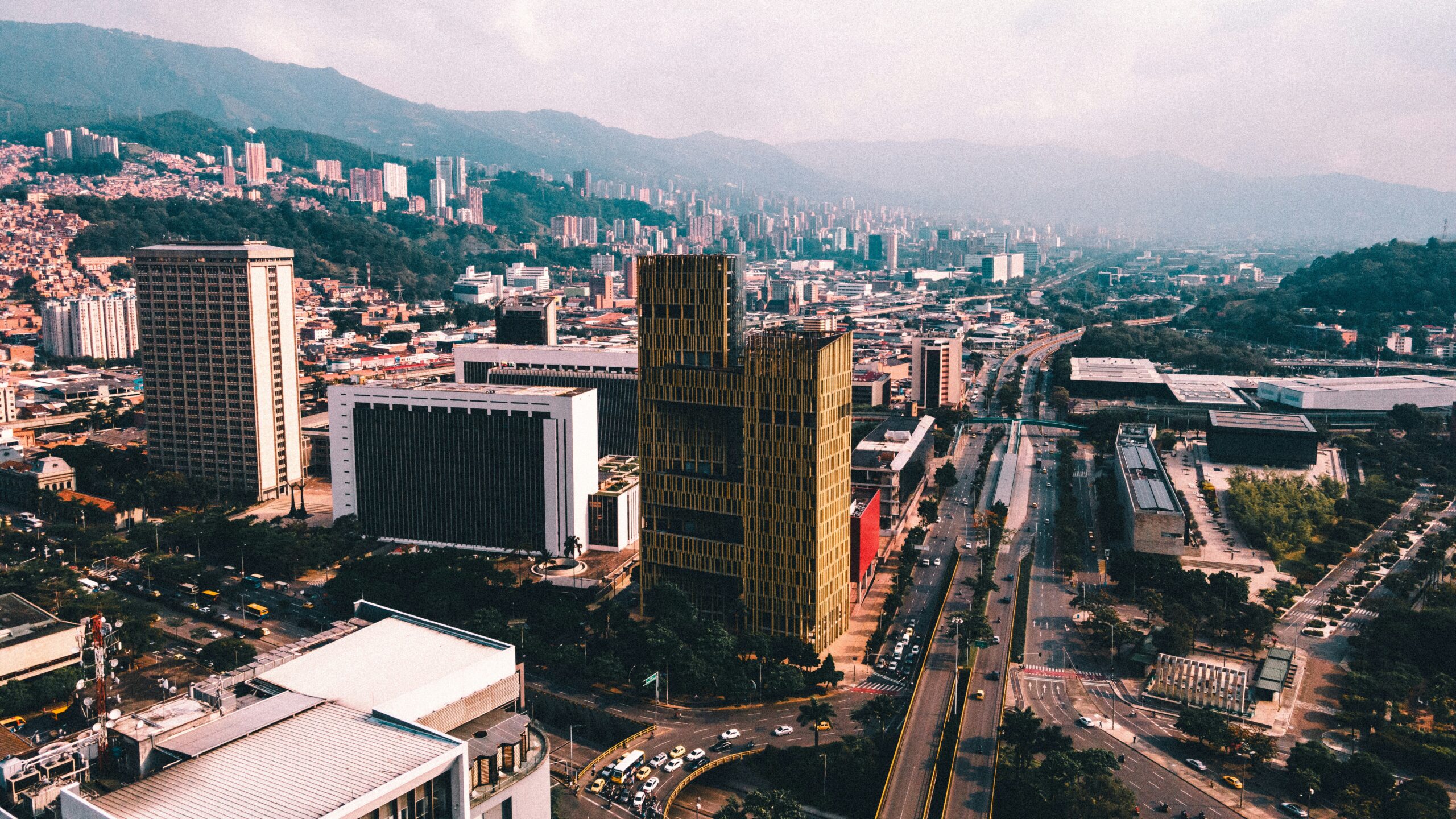
From November 10 to 13, 2026, the Aburrá Valley will welcome more than a thousand world leaders. This year's theme is "Building Tomorrow," and while artificial intelligence, climate change, and technological innovation feature prominently on the agenda, the true heart of the event is far more human: it's about how to put all that power at the service of the people.
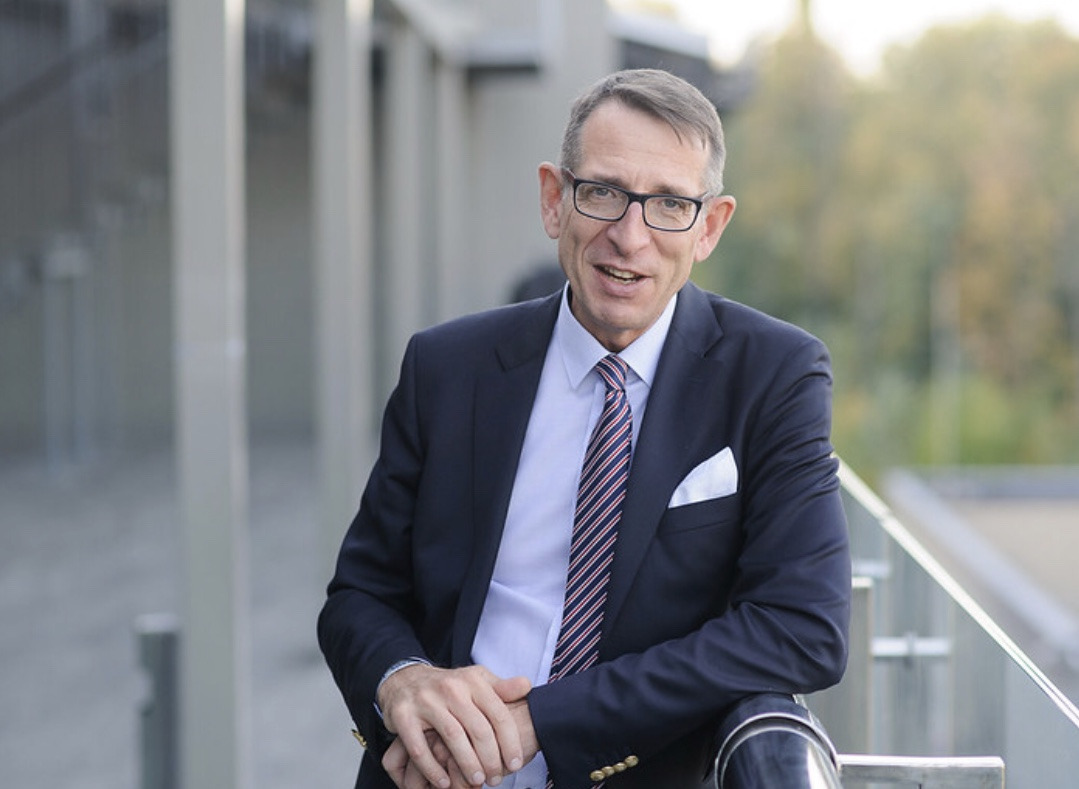
Dr. Frank-Jürgen Richter, president of Horasis, said that this city's transformation is one of the most impressive civic stories in the world. What was once a symbol of violence is now a leader in sustainable mobility, social innovation, and a culture of entrepreneurship. For many outside observers, Medellín is no longer just a tourist destination: it is living proof that a society can be reinvented from the ground up.
"Medellín will cease to be merely a tourist destination and become the region's most important laboratory of ideas," Richter stated. "That approach says it all about why we chose this city."
And of course, for Colombia and for the city, this is much more than a tourist event. It is a strategic opportunity: after years of strengthening its startup ecosystem, attracting foreign investment, and building a narrative of resilience that now transcends borders, Medellín now has the chance to connect its local talent with global capital and ideas.
The city demonstrates this with events like StartCo, which took place last April and mobilized nearly $18 million in investment.
Because, ultimately, the fact that Horasis has decided to return to Latin America—and has set its sights on Medellín—is no small matter. It confirms that the region no longer merely hosts events but takes center stage in them.

Por Stiven Cartagena
April 10, 2025

Por Stiven Cartagena
March 12, 2025