
Por Stiven Cartagena
August 11, 2026
When banks close a door, someone else usually finds a way to open a window. That seems to be happening in northern South America: Qash, a fintech company, and Banco R4, a Venezuelan bank, have just announced that they are now operating a correspondent banking infrastructure built on stablecoins—or digital dollars, in other words.
The underlying idea is simple, even if getting to this point has not been: to facilitate international payments to and from Venezuela, a country whose traditional banking channels have been deteriorating for years under the combined weight of geopolitics and global finance. According to both companies, this marks a regional milestone: it is the first time in Latin America that a fintech company has directly provided a regulated bank with an international settlement infrastructure based on stablecoins.
Over the past five years, the term "de-risking" has been a constant headache for Venezuelan companies and citizens. Due to sanctions, regulatory uncertainty, and rising compliance costs, many top-tier international banks decided to cut off or drastically limit their relationships with Venezuelan financial institutions. The direct consequence was a partial isolation from traditional messaging and settlement networks, making international transactions slow, costly, and extremely dependent on intermediaries.
To overcome this bottleneck, Qash and Banco R4 are committed to using digital dollars as a new layer of cross-border settlement. Because they are pegged to the value of the U.S. dollar and transferred via blockchain technology, stablecoins eliminate the need to go through multiple traditional correspondent banks, speeding up processing times and reducing operating costs.
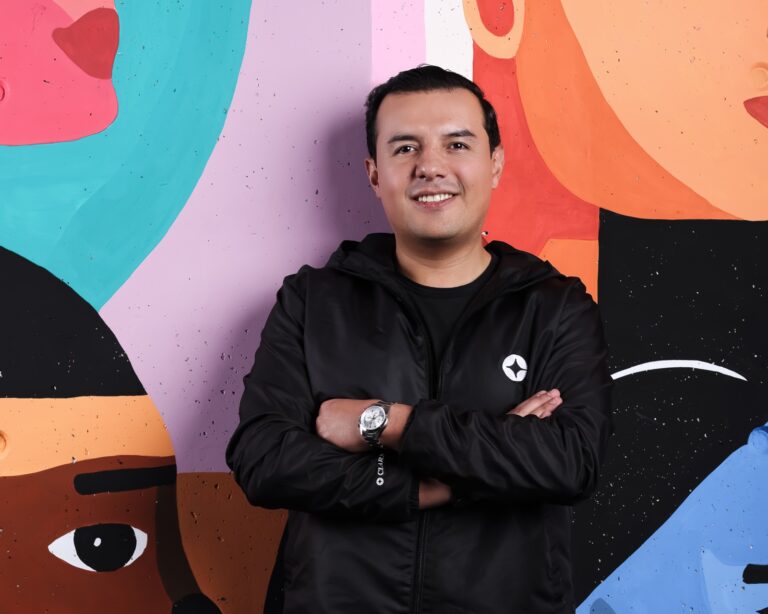
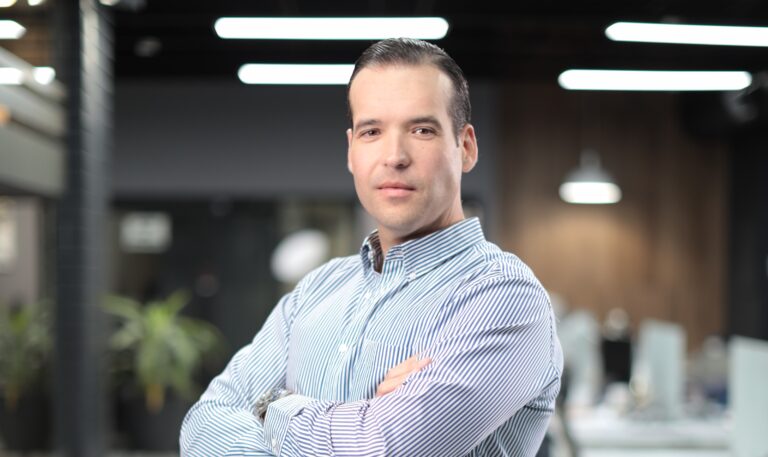
"Countries don't usually become financial innovators because their systems work perfectly. Often, they innovate out of necessity, when traditional alternatives no longer work," explained Boris Spiwak, founder and CEO of Qash.
Spiwak emphasized that, although exclusion from traditional banking channels has presented major challenges, it has also accelerated the adoption of new financial technologies, positioning Venezuela as an extremely interesting "laboratory" for the institutional infrastructure of digital dollars.
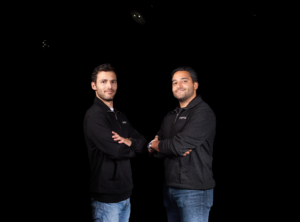
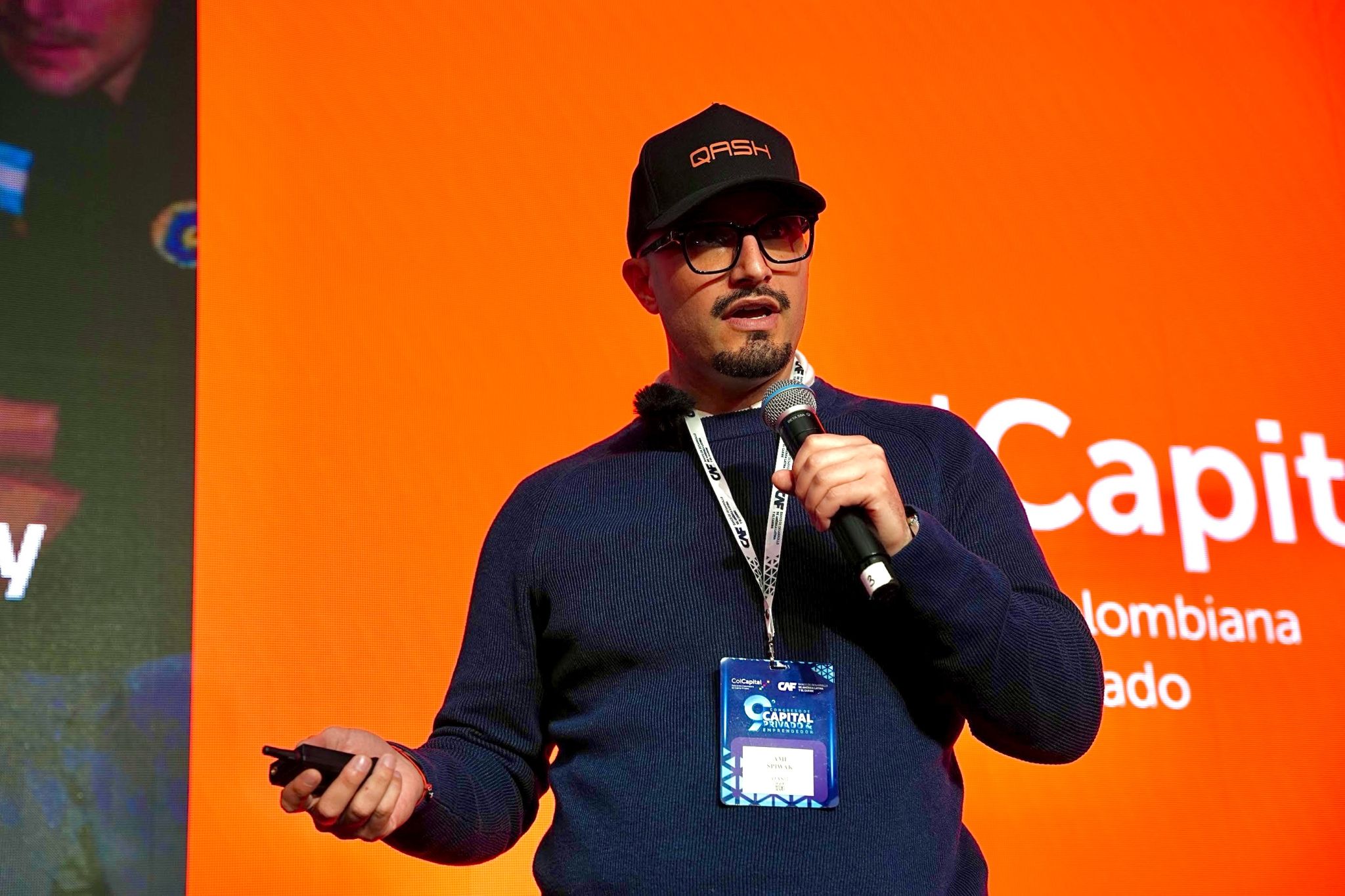
The initiative holds deep personal significance for its founders: Boris and Ami Spiwak are of Venezuelan origin and experienced the hyperinflationary crisis firsthand before emigrating from the country. In fact, the company has previously used its technology to help international organizations transfer humanitarian aid to Venezuela without charging transaction fees.
Venezuela is no stranger to cryptoassets. For years, stablecoins have been widely used informally at the retail level to protect the value of savings, pay local suppliers, and complete transactions that are difficult to process through standard commercial banking.
However, the project by Qash and Banco R4 aims to make a qualitative leap: moving from informal and fragmented adoption to an institutional, secure, and fully compliant ecosystem. Recently, the Central Bank of Venezuela itself has allowed banking institutions to participate in regulated mechanisms to facilitate local companies' access to digital dollars.
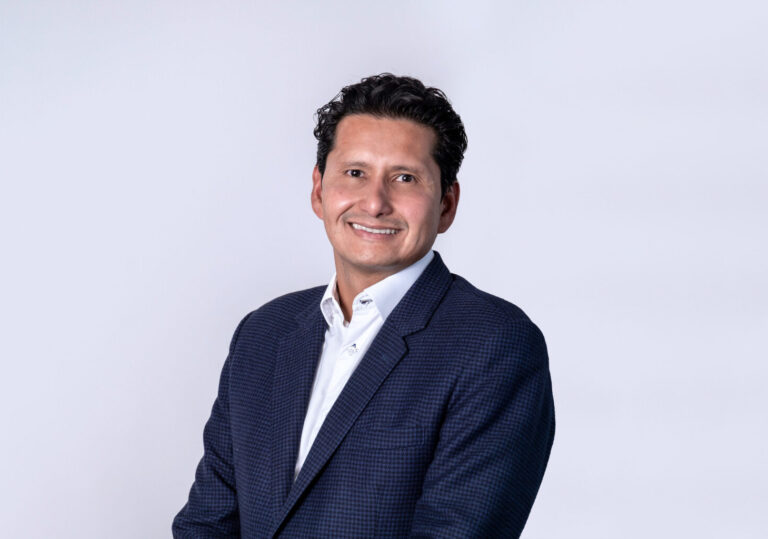
"For years, we have seen correspondent banking relationships close rather than open," said Ricardo IV Montilla Osorio, president of Banco R4. "Settlement via stablecoins opens up the possibility of offering our clients faster and more reliable access to dollar-denominated financial infrastructure, operating within the regulatory framework governing Venezuelan banks."
The infrastructure has already begun initial operations, with the trade corridor between Venezuela and Colombia serving as its first use case. However, Qash's expansion plan calls for extending this model to other markets in its network, including Mexico, Brazil, Peru, the United States, and the Eurozone via the SEPA network.
Currently, the project is in an initial phase of development and technical deployment. Both institutions continue to make progress on the necessary technological integrations, as well as on designing the relevant compliance controls and regulations to scale the solution on a massive scale. Qash, backed by global venture capital funds such as Antler, Chaac Ventures, and Plug and Play Ventures, demonstrates through this partnership that blockchain technology can serve as a critical, regulated infrastructure bridge for emerging markets.

Por Stiven Cartagena
September 10, 2026