
Por Stiven Cartagena
September 1, 2026
Companies are taking a larger share of their insurance risk into their own hands, and Huscarl wants AI to help them manage it.
The startup has raised $5.6 million in seed funding led by FRST, with participation from Y Combinator and Silicon Valley investors. Huscarl will use the capital to expand in the US and develop what it describes as the first autonomous AI actuary for corporations and their insurance captives.
Captives allow companies to retain selected risks through their own insurance subsidiaries instead of transferring everything to commercial insurers.
The market is growing. According to Marsh's 2026 Captive Solutions Benchmarking Report, captives managed by the broker generated $79.1 billion in gross written premiums in 2025, up from approximately $77 billion a year earlier. Fortune 500 companies using captives increased their captive premium volume by 9%, while Marsh recorded 118 new captive formations in 2025.
That growth comes as companies increasingly use captives as a long-term risk-financing strategy, rather than simply as a response to expensive commercial insurance.
Running a captive requires specialized actuarial work, from estimating future losses and calculating reserves to modeling emerging risks.
Huscarl's platform is designed to automate that process by ingesting large volumes of unstructured data, generating bespoke risk models and orchestrating actuarial workflows. Each study is reviewed and signed by a credentialed human actuary.
The company also provides one-off actuarial studies, ongoing Appointed Actuary services for captives and AI-powered outsourced underwriting for group captives and Risk Retention Groups.
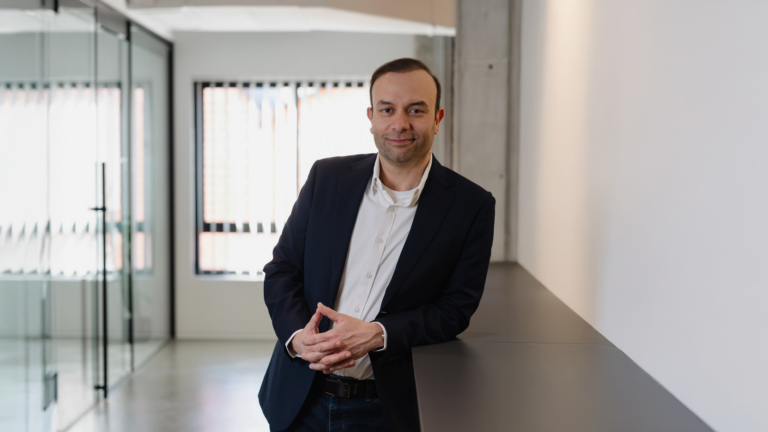
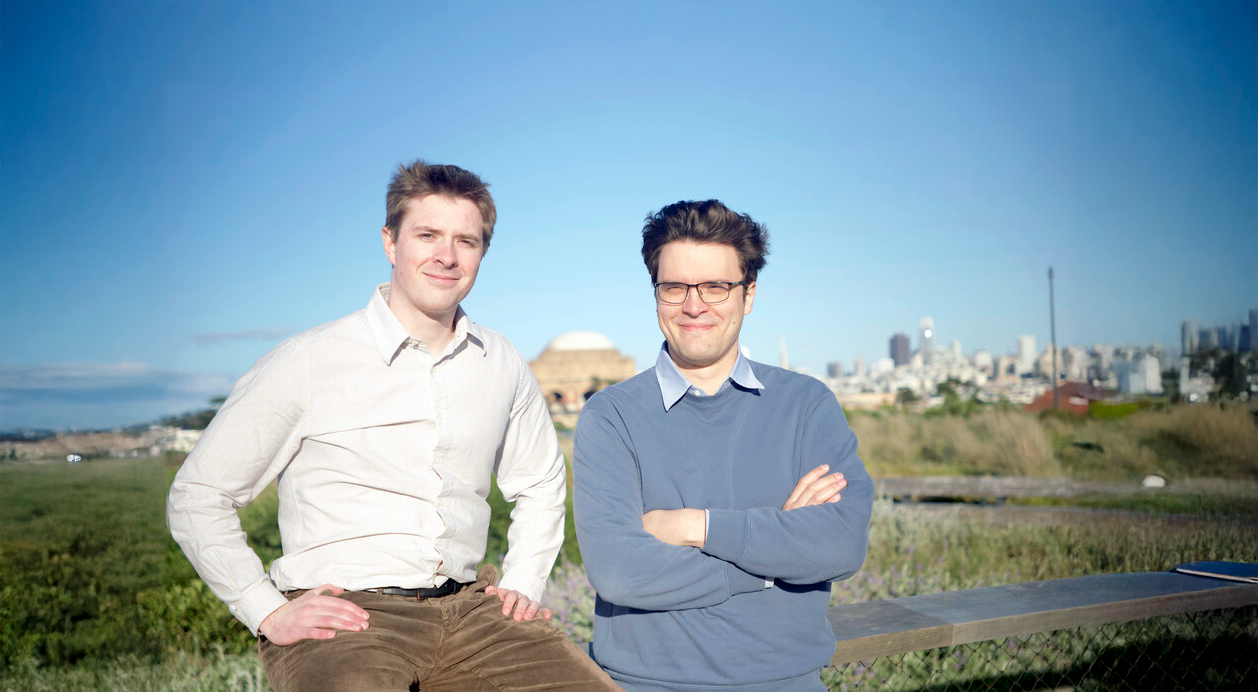
Its founders bring experience from the insurance technology sector. CEO Alexandre Musy and CTO Paulien Jeunesse previously worked together at Descartes Underwriting, where they created what Huscarl describes as the world's first cyber parametric insurance product for corporations.
Musy scaled the product commercially across Europe, while Jeunesse, an actuary and AI scientist, built the underlying model with a fresh approach to cyber claims severity.
Huscarl has already been trusted by a Risk Retention Group and a single-parent captive for a company with more than $2 billion in revenue and is now looking to expand its network of captive managers and brokers.
"Huscarl was born out of one strong belief: corporations should manage their own risks like insurance companies," said Musy. "Our goal is clear: to enable ambitious corporate risk managers to become their own company's Chief Underwriting Officer. We're working towards a future where self-insurance becomes the default, and commercial insurance becomes the exception. Thanks to this funding round, we're significantly closer to achieving that."
Aon has also found growing interest in captives. Its 2025 Global Risk Management Survey found that 22% of respondents had a captive or protected cell company, while nearly a quarter of respondents with captives were using them to underwrite cyber risk.
That expansion into harder-to-model risks is part of the opportunity Huscarl is targeting.
"The growth of self-insurance has been a major trend of the last ten years, to a point where the world's largest corporations now self-insure close to 100% of their risks. On the other side of the spectrum, companies as small as $10 million in revenue are starting to consider it as an alternative to traditional insurance. The team at Huscarl is building the critical infrastructure for this market," commented Bruno Raillard, co-founder and partner at FRST.
For Huscarl, the goal is not simply to automate actuarial calculations. It is to give corporate risk managers more of the infrastructure needed to decide which risks to retain and which to transfer.
"We're working towards a future where self-insurance becomes the default, and commercial insurance becomes the exception," said Musy.
Por Stiven Cartagena
May 21, 2026

Por Israel Pantaleón
March 19, 2026
February 3, 2026
January 28, 2026