
November 20, 2026
Colombia's Entidades Promotoras de Salud (EPSs), the companies that manage public health funds and pay hospitals and clinics on behalf of the country's insured population, closed 2025 with $58.06 trillion Colombian pesos ($16 billion USD) in obligations, according to the Comptroller General's Office.
The hospitals and clinics that provide care, known as IPSs, absorb much of that pressure. As of June this year, the 232 that report to the Colombian Association of Hospitals and Clinics were owed 27.8 trillion pesos, with 60.5% of it overdue.
That makes Colombia a hard place to sell healthtech. In much of the country, the EPSs are the main buyer for the kind of care these companies provide.
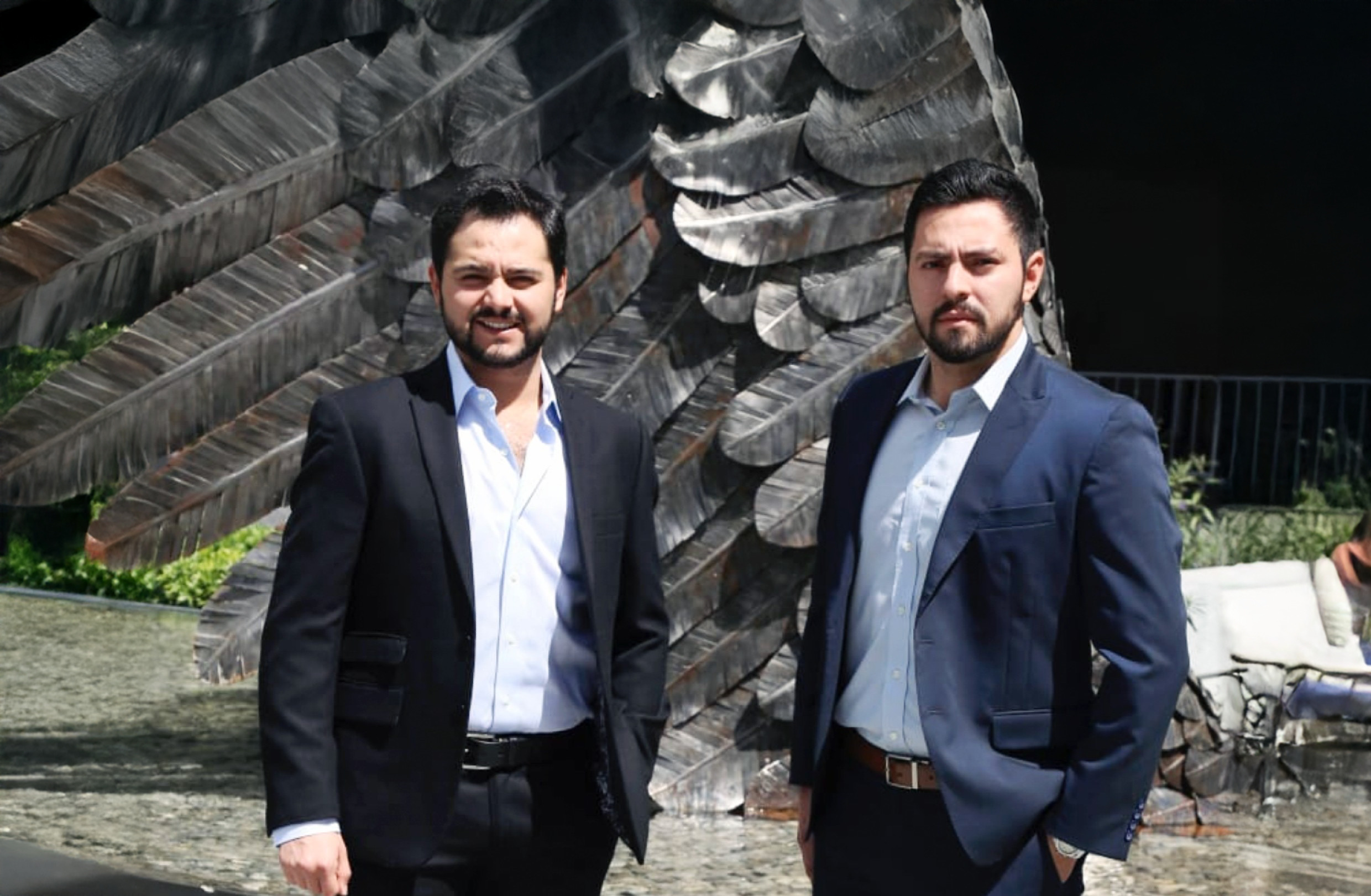
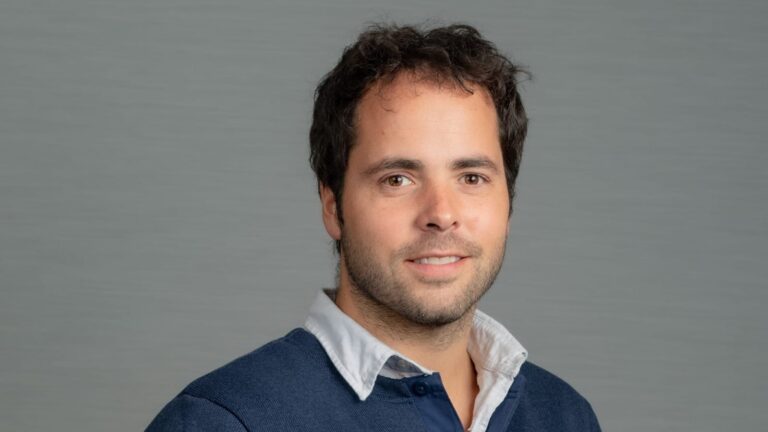
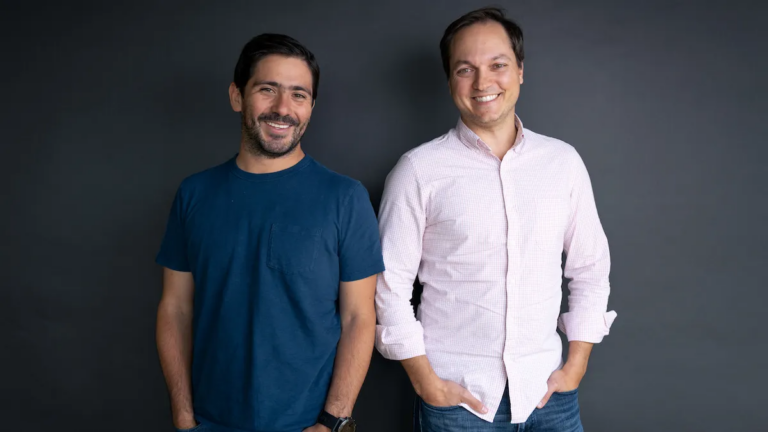
Three Colombian founders are building anyway. Ximena Ruget of Glya, María Artunduaga of Samay, and Valentina Agudelo of Salva Health are among the 15 winners of the 2026 Bayer Foundation Women Entrepreneurs Award, selected from 1,172 applications across 124 countries.
Each will receive €25,000 in non-dilutive funding and six months of acceleration with the Impact Hub network.
"The EPSs are in a very complicated situation right now," Agudelo said. "Saying they have money problems is putting it mildly."
The problem extends across the region, too. The Pan American Health Organization estimates that noncommunicable diseases and mental health conditions will cost South America more than $7.3 trillion USD between 2020 and 2050. Meanwhile, Latin American healthtech drew just $253.3 million in investment in 2024.
"The more important thing is understanding the payment and who gives me my reimbursement code," Artunduaga told Contxto. "You start from the end and work backwards."
Artunduaga's company makes Sylvee, a chest patch that sends sound into the lungs and reads how they resonate with the goal of detecting chronic obstructive pulmonary disease (COPD) and its flare-ups without a hospital visit.
Medical devices usually spend years in regulatory review before they earn anything. Samay found revenue sooner by developing AI algorithms for pharmaceutical companies and device makers.
In Medellín, the company runs clinical trials in which respiratory therapists take a hospital lung function machine into patients' homes, so Sylvee can be trained to match its readings. The founder said a clinical research organization told her it would offer Sylvee to its pharma clients if the algorithm works. Those trials can pay up to $350 per patient per month.
"I no longer need to go to the FDA to try to sell the device right away," she stressed.
Pharma has its own reason to pay: a patient diagnosed three to five years earlier is a patient who gets treatment sooner and is better managed. "Pharma is a strategic ally for me," Artunduaga stressed. "It benefits all of us."
The EPSs remain the long term buyer, and Samay has opened talks with Invima, Colombia's health regulator, and expects to launch Sylvee in Colombia in early 2028. Until then, the company is building the evidence it will need to show insurers the savings.
"Clinical evidence is everything," she said. "When you prove something, people don't fight it."
Agudelo's company makes Julieta, a portable device that flags breast cancer risk in under 10 minutes, without internet, a power outlet or a specialist required.
Its biggest buyer is local government. "We approach the mayor's office first, and from there the health secretariat, which is who actually funds the projects. The funding goes to the public hospital, and the public hospital is the one that hires us," Agudelo explained to Contxto.
The model works because women already trust their local hospital. In Maicao, a city in Colombia's northern department of La Guajira, Salva and the town's public hospital tested 3,000 women in 30 days. Julieta flagged 42 as high-risk, and all of them got a mammogram.
"The health system no longer has to worry about 3,000 women, but about 42," Agudelo said.
Salva doesn't stop at the test, though. An in-house tracking team calls every flagged woman, and when an EPS stalls on follow-up care, the team calls the mayor, the health secretary, or the insurer.
The company has three more revenue lines: corporate screening days paid for by employers such as Google, Cine Colombia and Crepes & Waffles, devices loaned to clinics, and a home service. Salva has raised about $2.5 million, led most recently by Colombian fund Ewa Capital, and already operates in Guatemala, with Venezuela next.
"It will always be cheaper to have a woman who never had to go through chemotherapy because we caught it in time," Agudelo said of the cost benefit of Julieta for EPSs and the wider health system.
Glya monitors chronic patients at home. Its own device sends readings from glucometers and blood pressure cuffs, and patients can also send photos of their readings on WhatsApp to Glady, the company's AI assistant.
The platform has flagged more than 56,000 health alerts across 1,400 patients, according to the Bayer award press release.
Glya sells to institutions. Its private customers are insurers and healthcare providers, and its public market is primary care centers in Colombia's regions.
"Something that's common to all three of us co-founders is selling," Ruget said.
Public institutions are slow to sign until they see results, so Glya has to fund pilots before any revenue comes in. The Bayer money will help cover that gap.
"This kind of grant lets us run those free trials and cover them financially until the agreements start billing," the co-founder, now working as Glya's board president and chief growth officer, explained.
Its strongest proof point comes from Hospital Universitario San Ignacio in Bogotá, where a hospital-at-home monitoring pilot became a permanent service. Glya has supported more than 1,000 chemotherapy sessions given at home, with only two of the 136 cancer patients it monitored having had adverse events.
"The patient feels more supported, feels they're in their own environment, that they don't have to travel," Ruget said.
For women founders in Latin America, capital is scarce. Female-only founding teams received 2.3% of global venture capital in 2024, and healthtech, which needs long clinical timelines and regulatory approval before it earns, is among the hardest sectors to fund.
But Agudelo emphasized this is part of why awards like Bayer's carry weight beyond their size. The program targets founders in low and middle-income countries, and this year's 15 winners came from across Latin America, Africa, and Asia.
"Objectively, we've seen much more return in the connections, the impact and the strength of having Bayer as an ally than in what we can do with the 25,000," she said.
Meeting the other winners in Amsterdam in October also changed how she sees the market. The problems Salva tackles in La Guajira look much the same across the Global South, only at far larger scale.
"Everything we see in Colombia is 50 times smaller than what you see in Bangladesh," Agudelo said. "It's the same problem, but a billion people have it."
"It opens commercial doors, brings investors closer and even makes us think a little bigger," she said.
The broader market is starting to move in their favor. Latin American startups raised $4.1 billion in 2025, up 14.3% from the year before, after three years of decline. According to the Latin America VC Report 2026 by Cuántico VP and Startuplinks, 47.2% of funds plan to keep investing in the region through 2026 and 2027.
The report also notes investors expect the next cycle to favor technology anchored in real assets instead of software alone. In Colombia, the director of Colombia HealthTech projects 14% growth for the sector through 2032, in fact.
Each of the three founders has a clear plan for the next two years.
Samay is preparing its registration with Invima and expects to launch Sylvee in Colombia in early 2028, then expand into Chile and later Mexico and Brazil. "Samay wants to become the Nubank of deep tech in Colombia and Latin America," Artunduaga said.
Glya will use the Bayer money to grow its sales team and fund the free pilots that public primary care centers require before they sign.
And Salva Health already operates in Guatemala, is opening in Venezuela soon, and Agudelo is already looking further. "If we have the right allies, Julieta is a solution that could be in Asia next year," she said.

Por Stiven Cartagena
September 1, 2026

Por Stiven Cartagena
June 10, 2026