Por Stiven Cartagena
September 11, 2026
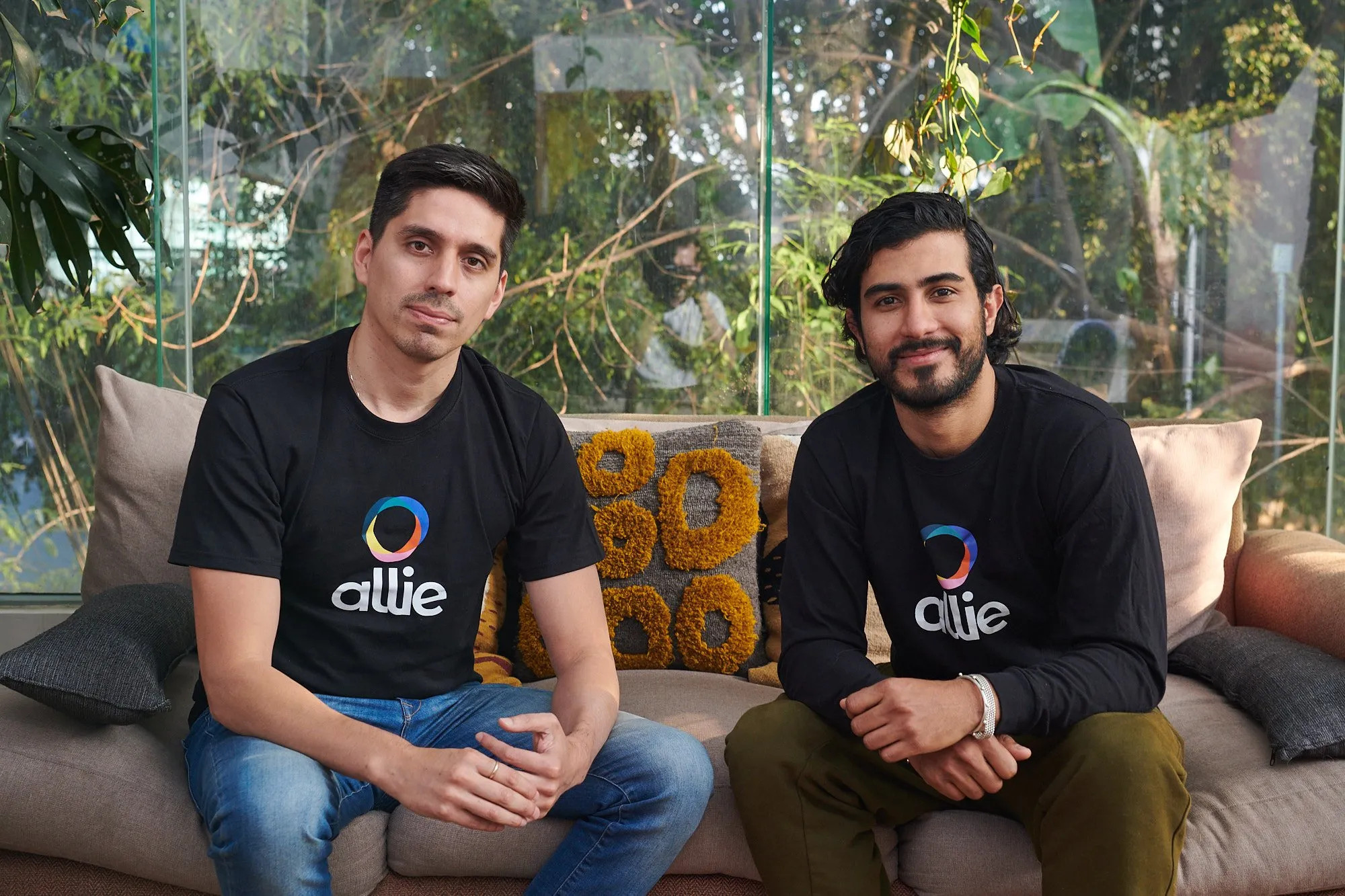
Effie.ai, a Chicago-based startup building agentic AI tools for retail execution, has brought on Nataliia Freidrich as Strategy Advisor in its Chicago office. Freidrich arrives with more than 15 years of experience in revenue growth management, commercial operations, and transformation, with stints at Mondelēz International and AB InBev.
The hire, which on the surface looks like just another appointment at an AI startup, points to a much bigger problem facing the whole industry: the distance between experimenting with artificial intelligence and actually running it.
Deloitte documented this in its latest State of AI in the Enterprise 2026 report: only 25% of organizations have moved at least 40% of their AI pilots into production. The rest remain stuck in what the firm calls the "proof-of-concept trap" — projects that work well with small teams and clean data but don't survive contact with fragmented systems, real-world processes, and the scale of a full-blown operation.
In retail, that gap is even more visible. McKinsey estimates that merchandising leaders could reclaim up to 40% of their time by delegating manual tasks analysis, reporting, information consolidation to AI agents. But the same firm found that 71% of professionals in the sector consider AI tools for merchandising to have had a limited or nonexistent effect on their business so far. And between 50% and 60% of retail and consumer packaged goods companies are already piloting agentic commerce capabilities, without that translating yet into a transformed operation.
The pattern repeats itself: broad access, scarce real adoption. That's exactly the space Effie.ai wants to grow into, and Freidrich's arrival is the latest signal of where it's headed.
Its systems aim to connect what happens on the sales floor with the decisions made at headquarters, a bridge that for years relied on manual reports and infrequent visits.
Freidrich's arrival isn't just a hire. It reflects an ambition that goes beyond building agents: understanding how consumer organizations actually work, and where technology can step in without becoming yet another pilot.
For years, consumer companies used technology to analyze sales, review inventory, and measure what was happening at the point of sale. The next generation of tools, the kind Effie.ai is building, aims to intervene directly in that operation. Its agents are designed around the work of sales reps and merchandising teams: they analyze shelf conditions, identify gaps, recommend corrective actions, and check whether those actions were carried out.
The shift matters because it moves AI from analysis toward execution. And that's where Freidrich's background becomes relevant: her career moved precisely across commercial strategy, growth, and execution the three functions that have to work together when a company tries to take an AI agent out of the sandbox and into daily operations.
One of Effie.ai's recent cases involves Nestlé, where the company reported that an agentic retail system cut merchandisers' time per visit by 56% and supervisors' workload by 55%.
The logic behind these systems differs from a traditional dashboard. Instead of simply showing that a promotion isn't working or that a product is misplaced, the agent identifies the problem, prioritizes it, and tells the worker what to do about it. It's a shift in flow: from observing to acting.
The opportunity matters because retail runs on decisions that repeat themselves thousands of times, pricing, promotions, assortment, inventory, in-store execution. McKinsey argues that agents can continuously analyze this data, recommend interventions, and execute certain tasks, freeing up teams to focus on higher-value decisions.
That's where the underlying tension resurfaces. Deloitte confirms that experimentation with AI remains widespread, but that turning those pilots into real production is the step where most companies fall short: only one in four manages to scale 40% or more of its experiments, though more than half expect to get there within the next three to six months. For Effie.ai, that distance between pilot and operation isn't a distant obstacle, it's literally the market.
Freidrich's addition points to that next stage: bringing industry knowledge to a technology that's trying to move from recommendations to execution.
The challenge for Effie.ai, and for the rest of the companies building this category, will be proving that their agents work outside a controlled demo, inside organizations with fragmented systems, multiple teams, and conditions that change every day.
In retail, the final test happens in the exact place where the sale happens. It's not enough for an AI to know what's wrong. It has to help fix it before the visit is over.
That may be the real leap for agentic AI in consumer goods: moving from telling a company what's happening to intervening in what happens next.

Por Contxto
September 11, 2026